My Ph.D.-studies
at MPEI reached a new level during my research internship in South Africa.
Thanks to the Scholarship, I completed a seven-month research internship at the
HySA Infrastructure research center at North-West University in Potchefstroom. 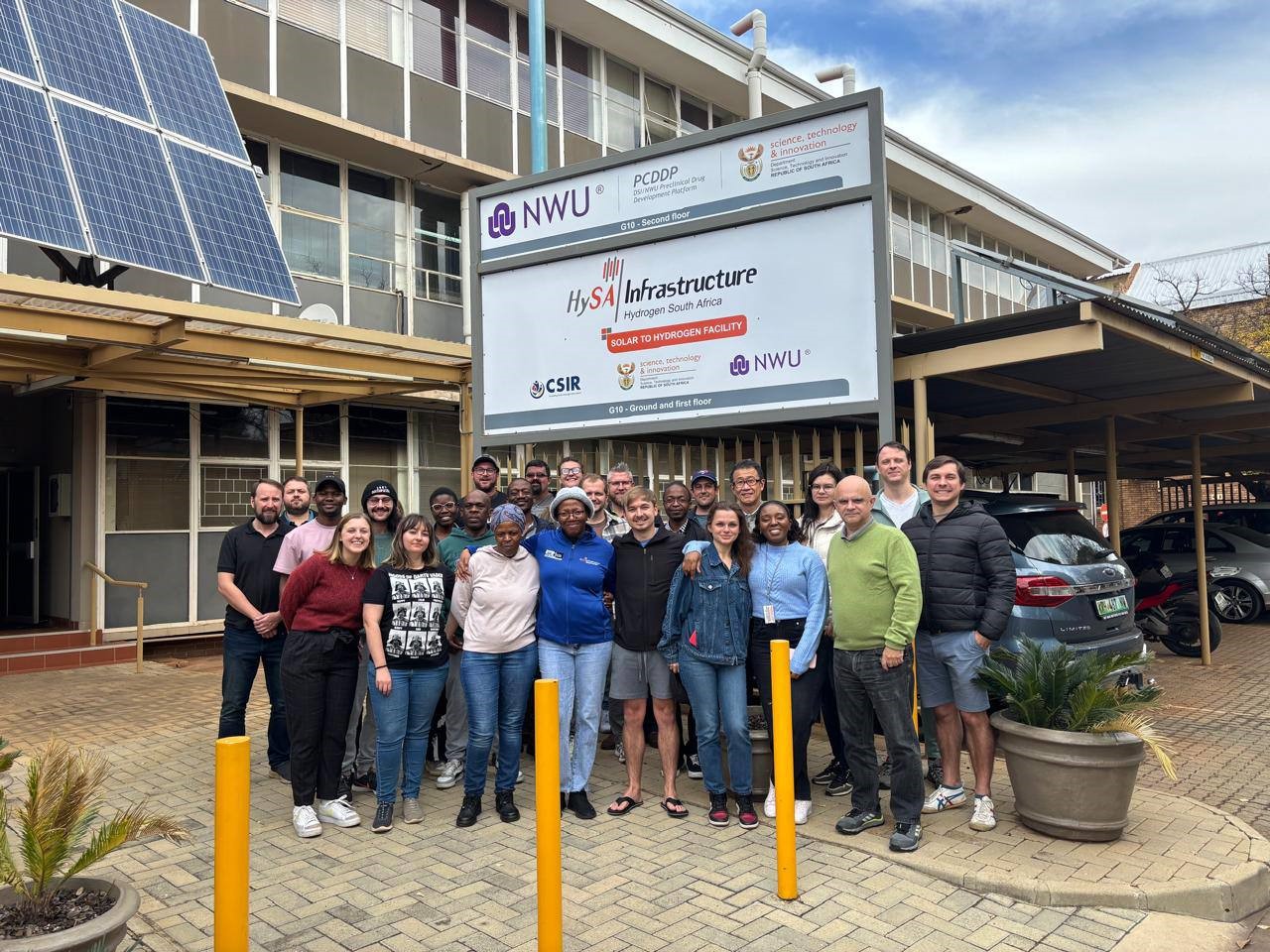
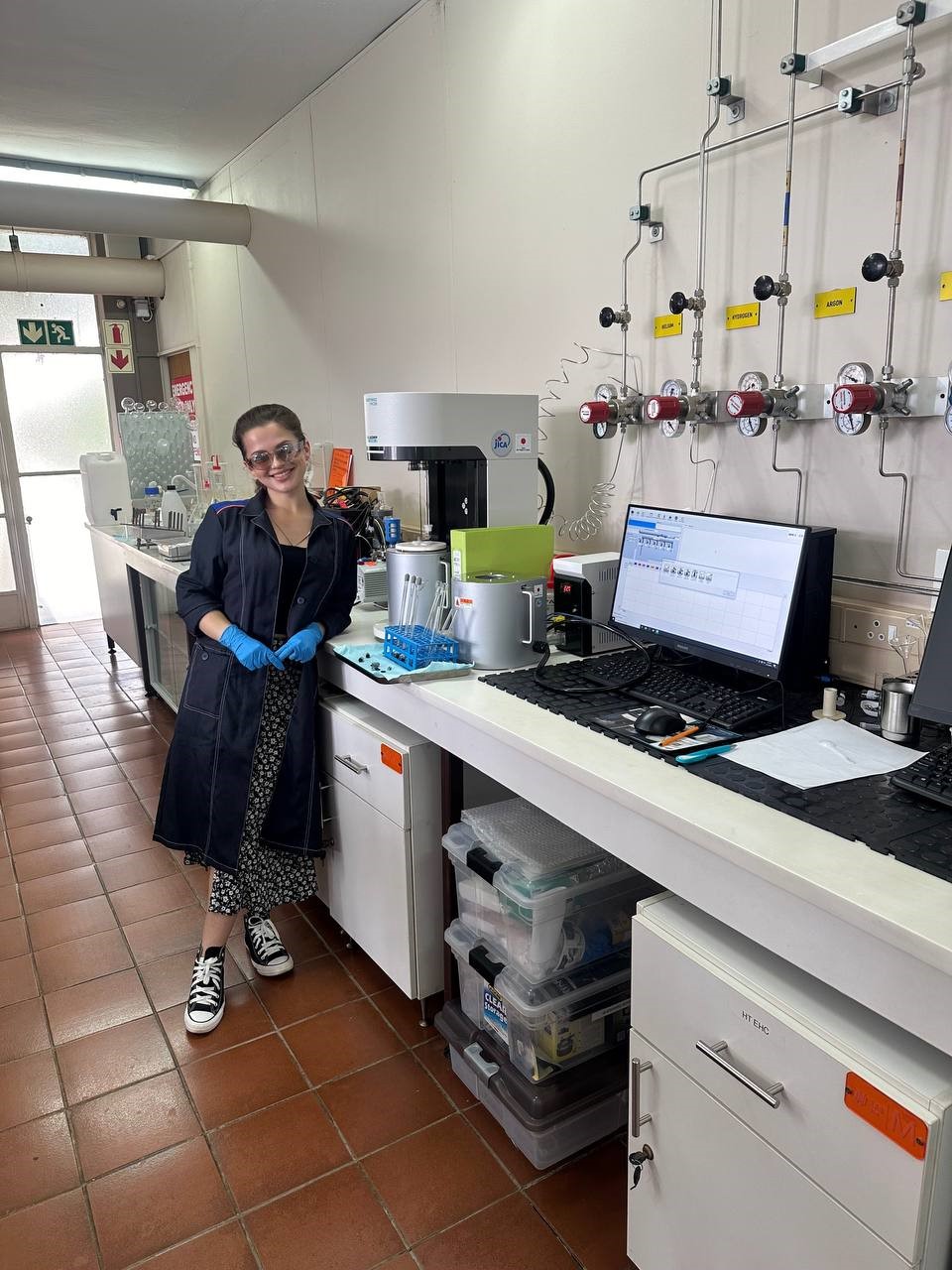
From my
very first days in the country, I felt incredible goodwill and openness from
the host side. Upon my arrival at Johannesburg International Airport, the staff
drove me to the campus, arranged a warm welcome with a traditional South
African dinner – a delicious, juicy steak and local side dishes.
HySA
Infrastructure is a high-tech research center combining fundamental research
and engineering development in the hydrogen energy field. The staff consists of
highly competent specialists with international experience and participation in
global scientific projects.
The
atmosphere is brilliant there. People truly value everyone's opinion, are
always ready to help, discuss ideas and offer solutions.
The
accommodation was located in close proximity to the campus, which made it safe
and convenient to walk to the lab. The city of Potchefstroom turned out to be
very cozy, green and peaceful. Thanks to this internship, I was able to
complete the experimental part of my Ph.D. thesis.
The HySA
Infrastructure (Hydrogen South Africa Infrastructure) center is more than just
a university laboratory. It is one of three national research centers
established in South Africa as part of a large-scale government strategy to
develop the hydrogen economy, supported by the South African Department of
Science and Innovation (DSI). HySA Infrastructure operates on the base of
North-West University (NWU) and its activities cover a wide range of tasks in
the field of hydrogen technologies.
The
organization actively participates in international projects. One of the key
collaborations is its involvement in the SATREPS program – a joint initiative
of the Japanese government and partner countries, implemented through JST
(Japan Science and Technology Agency) and JICA (Japan International Cooperation
Agency). This program aims for sustainable development through scientific and
technological cooperation.
Furthermore,
HySA Infrastructure actively cooperates with industrial giants. For example,
Sasol, the largest chemical and energy company in South Africa, is among the
center's permanent industrial partners. Joint projects are aimed at
implementing hydrogen solutions in the chemical industry, transport and power
engineering.
During the
internship, it was evident that they know how to build not only high-tech
processes but also genuine scientific communities here. The center's management
is interested in developing international relations and creates conditions for
young scientists to achieve real growth and integrate into global research.
One of the
pleasant aspects of the internship was the friendly and informal atmosphere
within the team. At the HySA Infrastructure center, they pay attention not only
to scientific work but also to building a team where it is comfortable to work
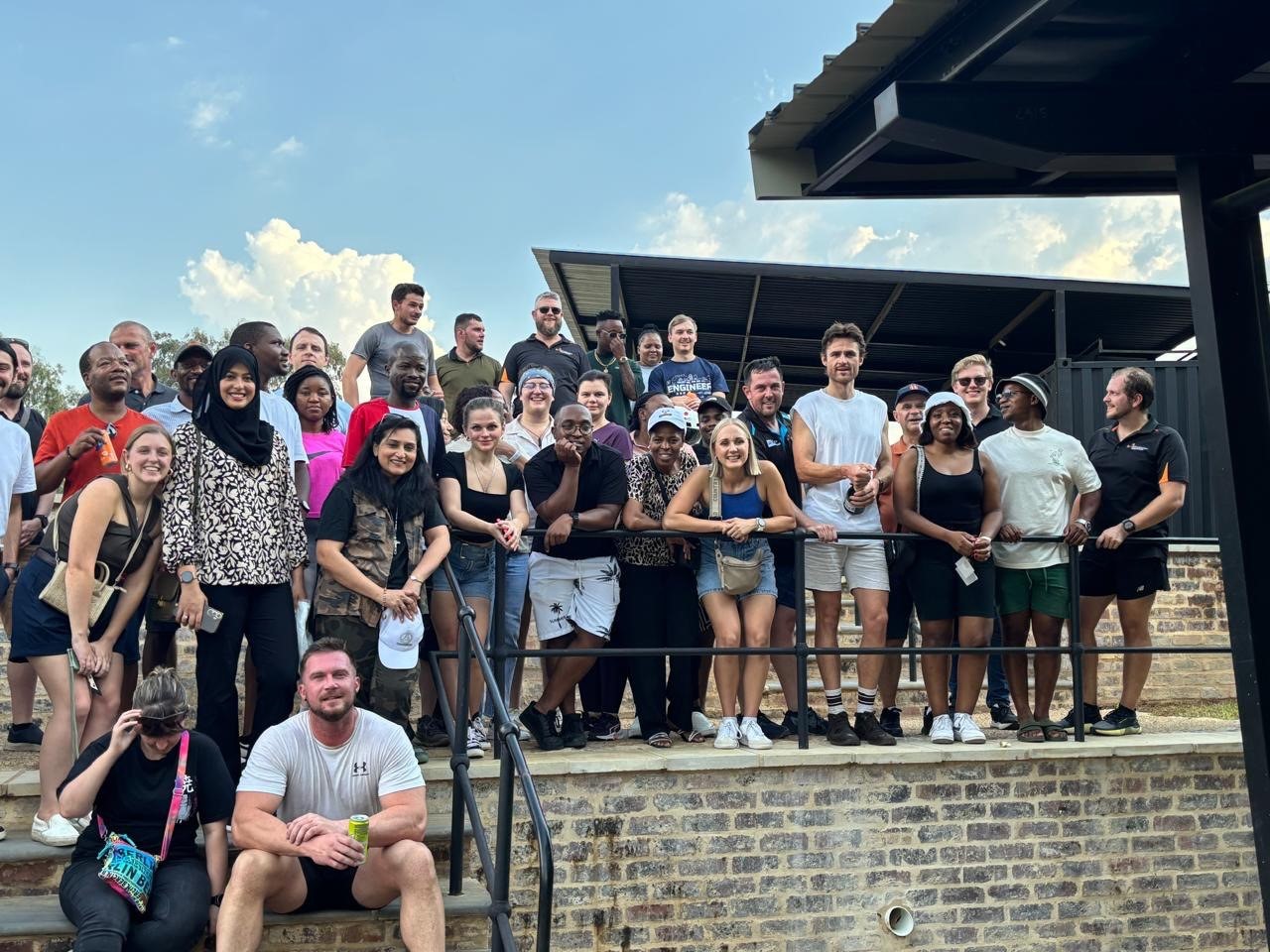
and communicate. Corporate events were regularly organized. It helped to get to
know colleagues better, establish informal communication and simply take a
break from the laboratory routine.
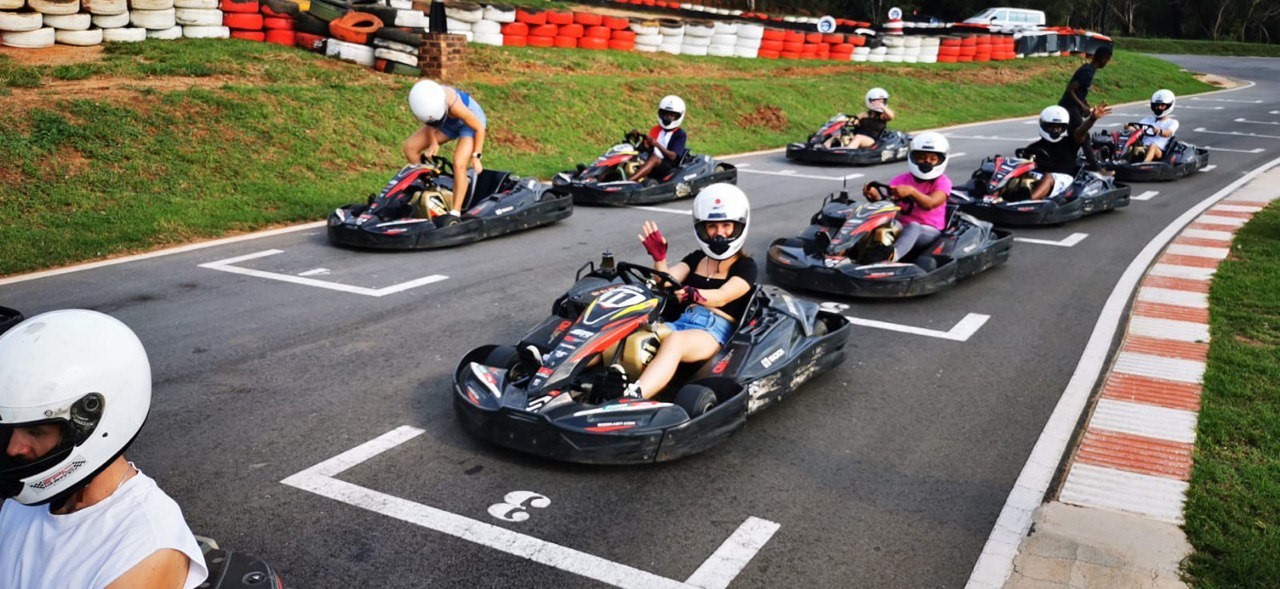
One such
event was an outing where the center's staff spent time at a go-kart track.
Go-karting was an excellent opportunity to change the scenery, compete in a
friendly atmosphere, and feel part of a cohesive team. Such activities play an
important role in building trusting relationships within the team and also
facilitate the integration of new members into the scientific community.
Beyond the
academic and research component, the internship also provided an opportunity to
experience the natural and cultural diversity of South Africa. On weekends and
public holidays, I had the chance to travel and discover the country's
remarkable landscapes.
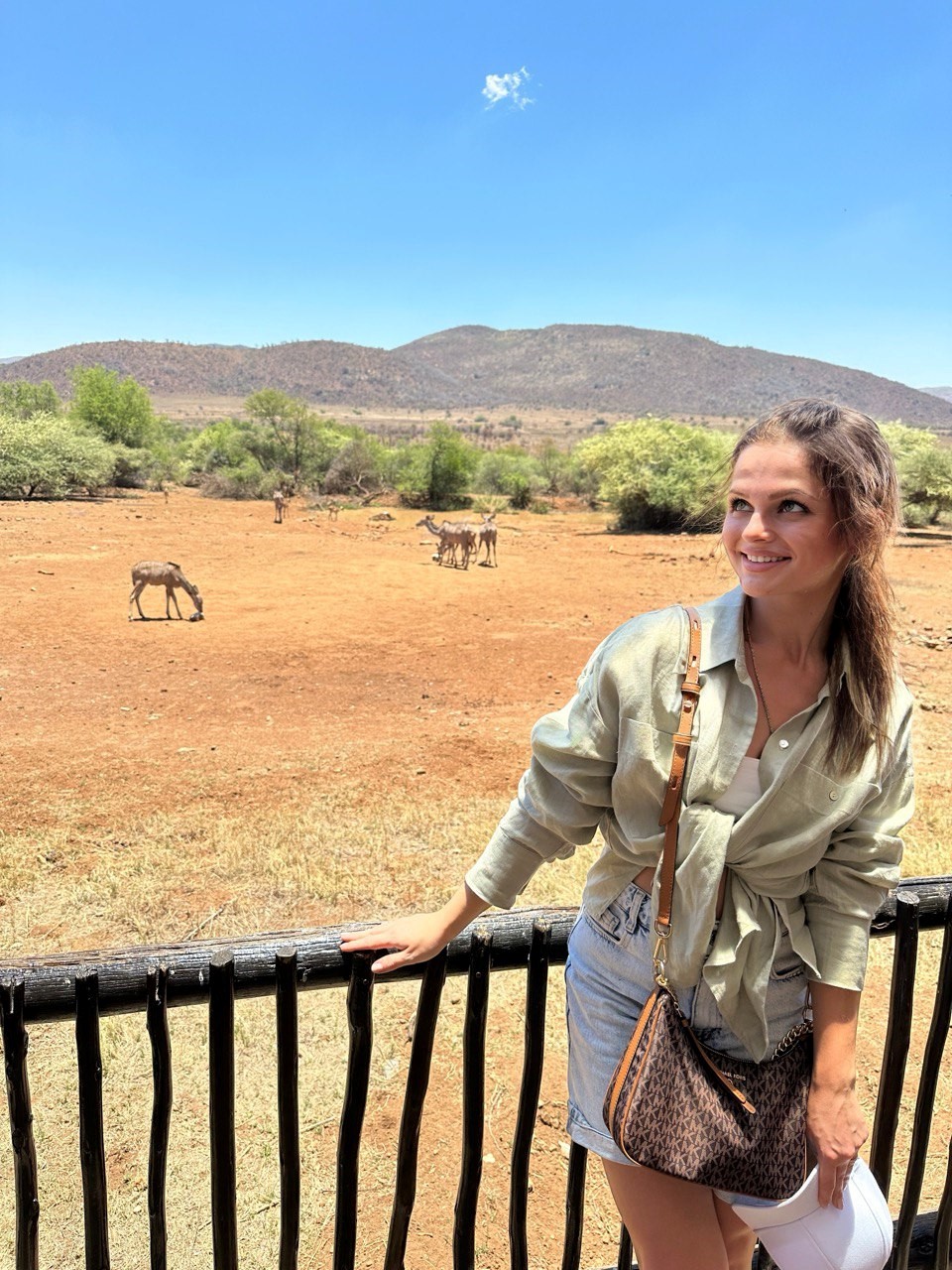
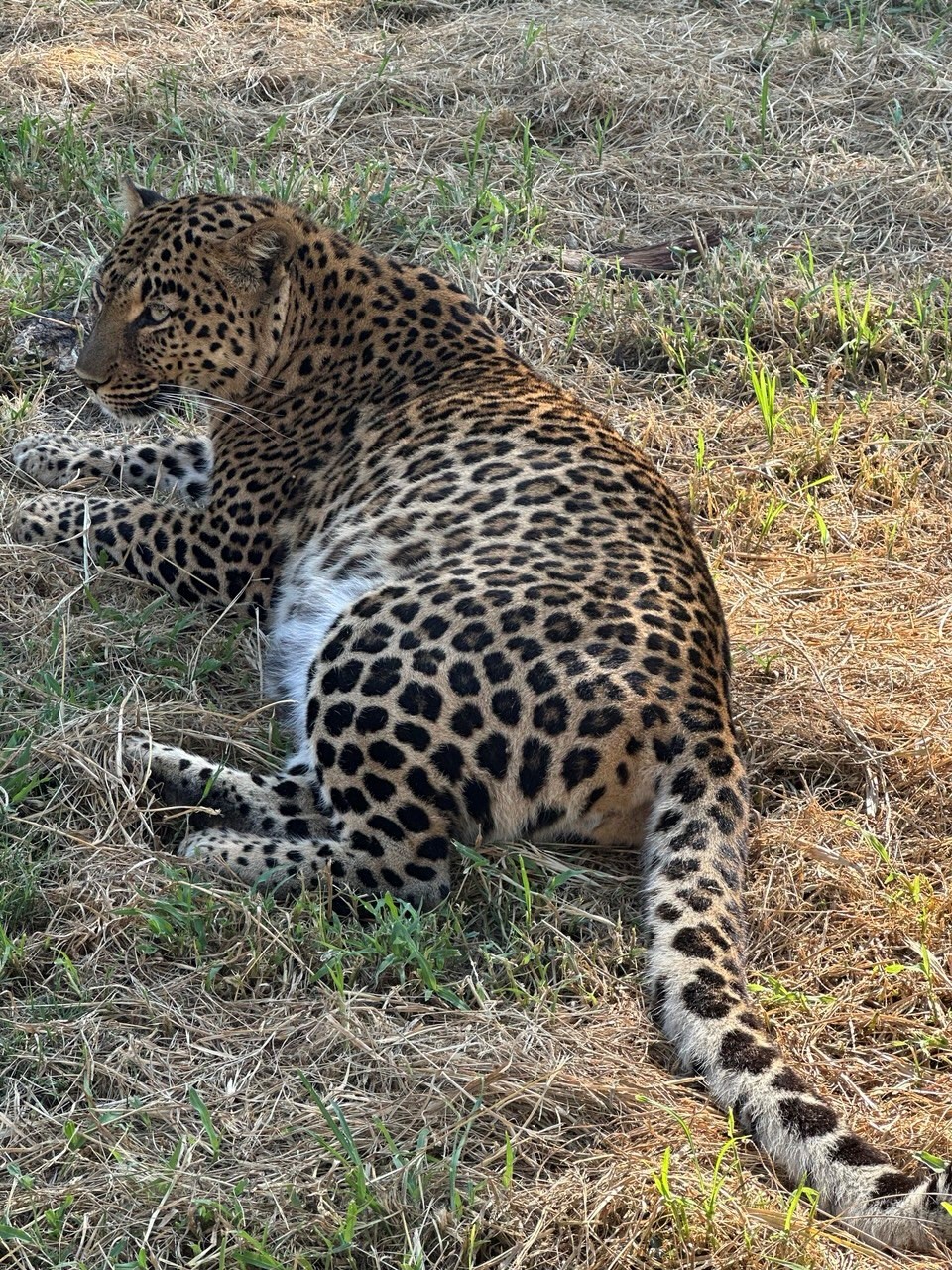
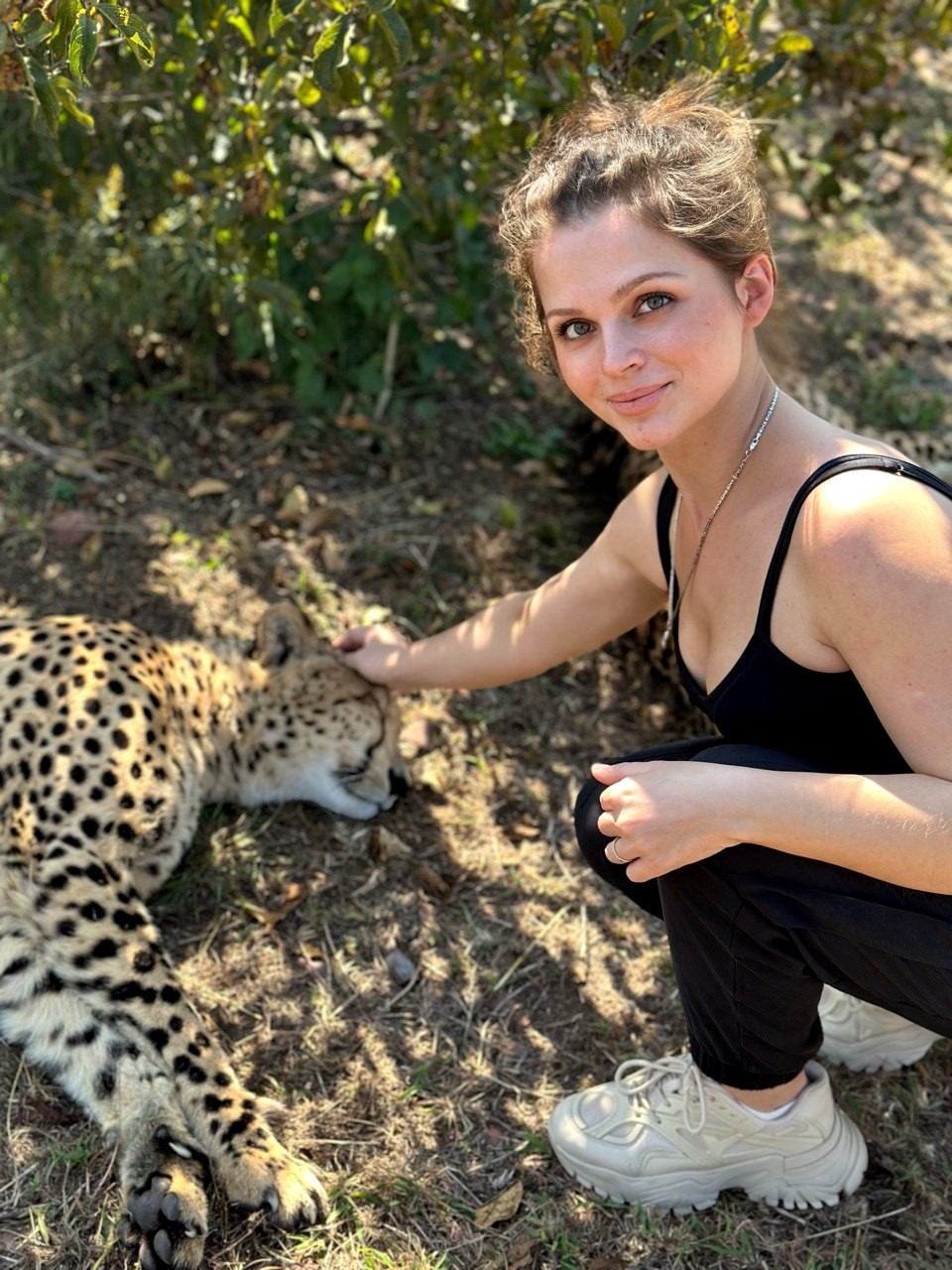
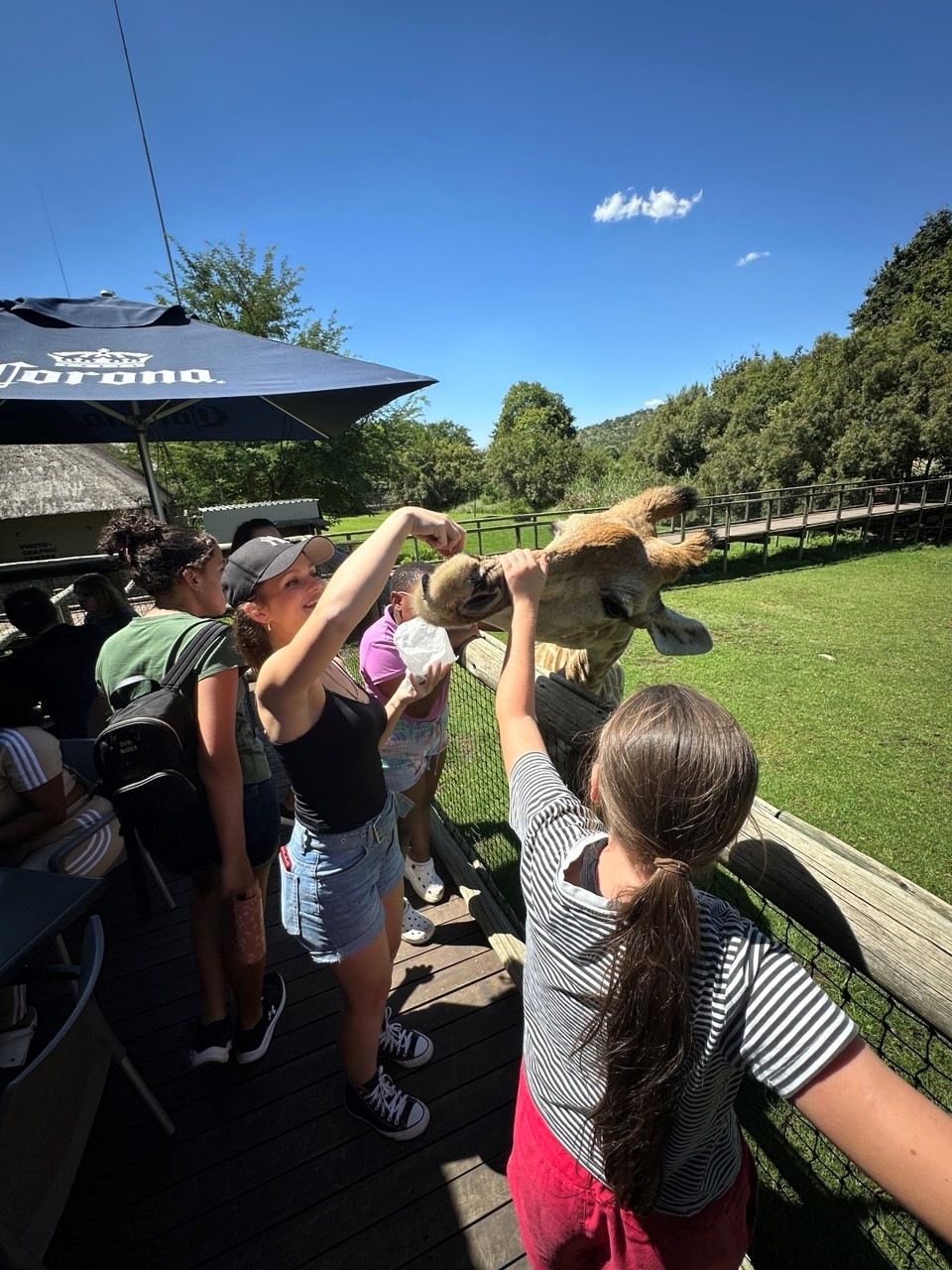
One of the
most vivid impressions came from trips to the national parks. South Africa
takes great care in preserving its nature and it is home to some of the most
renowned reserves on the continent. During one such trip, I was able to see the
so-called "Big Five" of African fauna: the lion, leopard, rhinoceros,
elephant and Cape buffalo. Observing these animals in their natural habitat is
an experience unlike any other. It is not merely an excursion, but a true
immersion into a wild yet harmonious natural world.
The safaris
were accompanied by the insights of experienced rangers, who shared their
knowledge about animal behavior, ecosystem conservation, and the role of reserves
in preserving biodiversity.
.
The
internship was not only a significant milestone in my research career but also
an opportunity to see an incredibly beautiful and diverse country. Thanks to a
well-organized work schedule and the support of the host institution, I had ample
time to travel and explore South Africa.
I managed
to visit Durban, a warm coastal city on the shores of the Indian Ocean with
wide beaches, a mild climate, and vibrant street culture. It was there that I
welcomed the New Year: first with traditional dishes and the Russian President's
address via live stream and then to the local countdown to midnight, fireworks
and the sound of the surf. The contrast between the "wintry" feeling
of the holiday and the summer African night by the ocean made that night truly
special.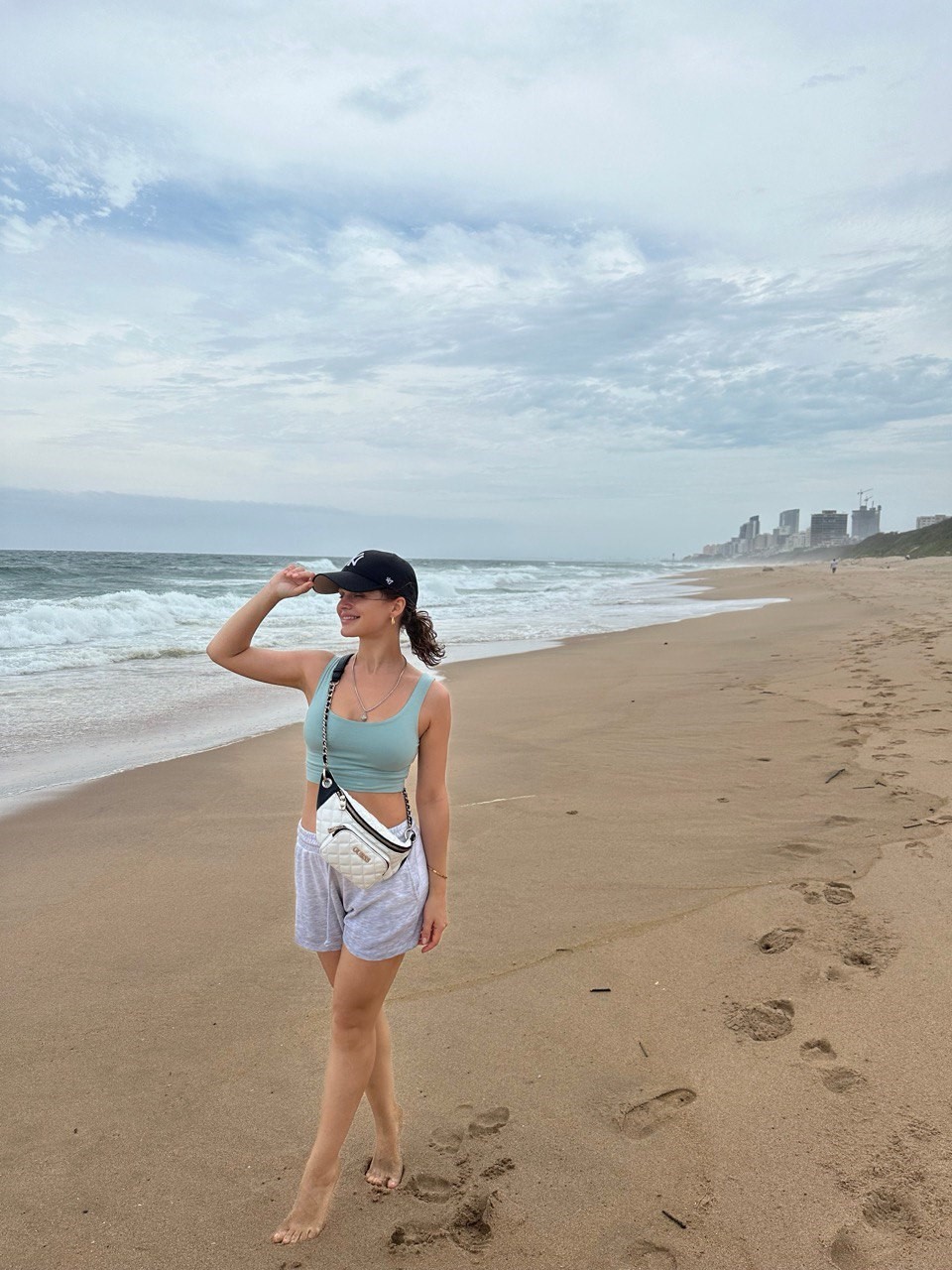
Cape Town
left a particularly strong impression – a city that seamlessly blends wild
nature, architecture, and extraordinary seascapes. The drive along Chapman's
Peak, hugging the cliffs and ocean, is one of the most scenic routes in the world.
In the Cape Town suburbs, you can find wineries where you can not only taste
local wines but also stroll through beautiful landscaped gardens amidst
historic buildings and rolling hills. In False Bay, I managed to see penguins
on Boulders Beach, and at the Cape of Good Hope, I even spotted a whale
surfacing not far from the shore.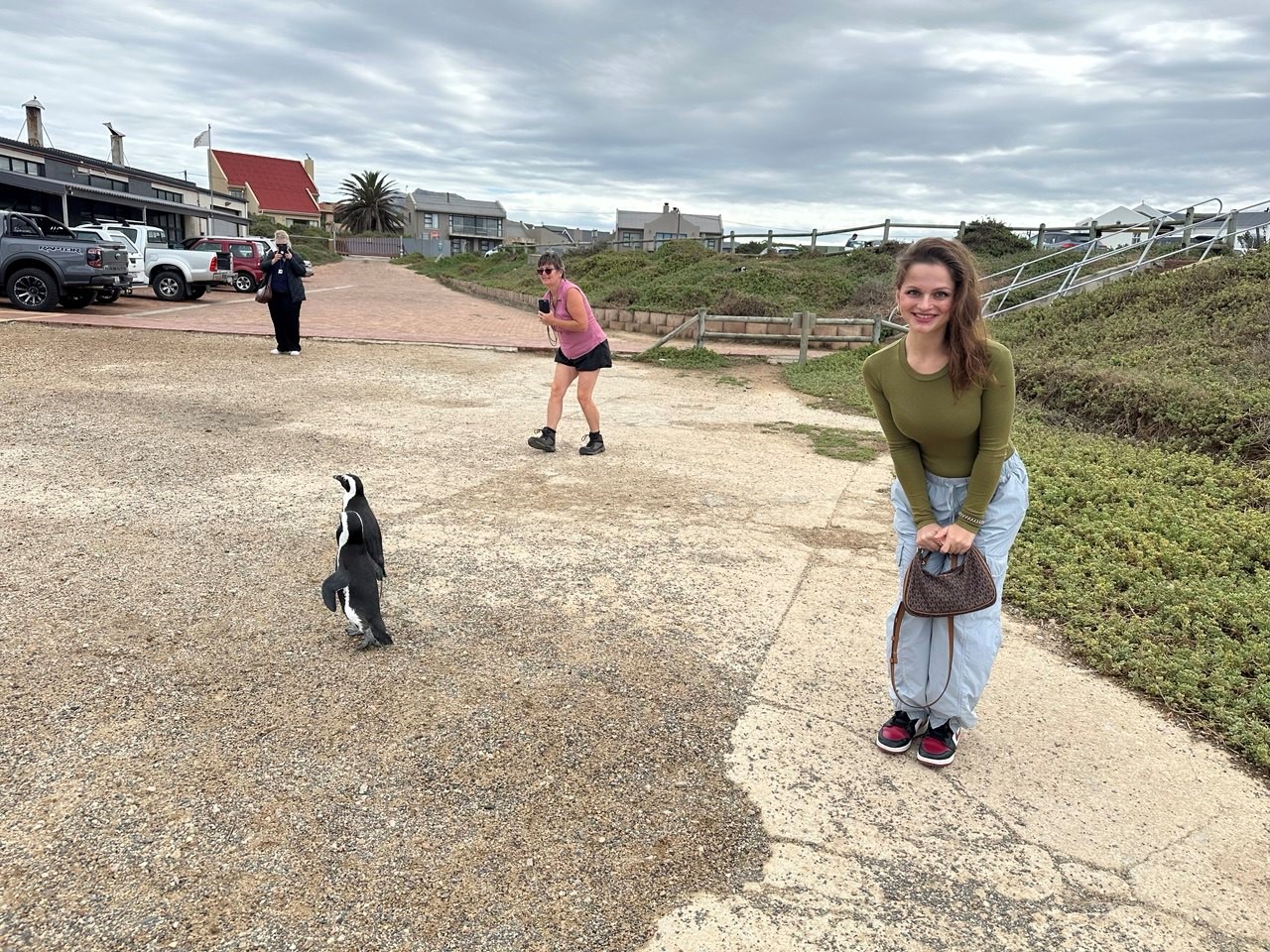
These trips
became an important part of the overall internship experience, allowing me to
gain a deeper understanding of the country's culture and nature, and enriching
the academic visit with personal discoveries and vivid emotions.